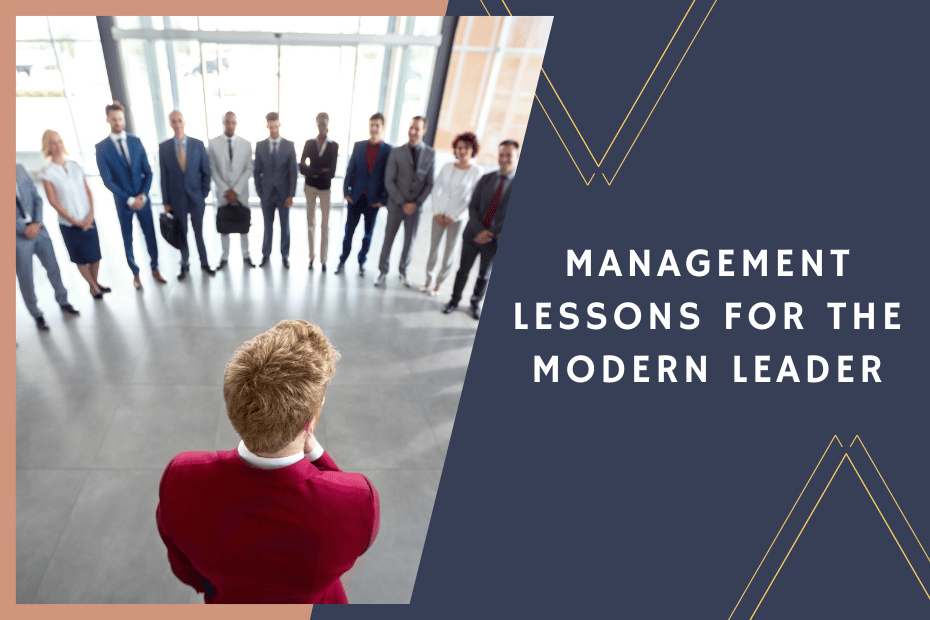
In the ever-evolving business world, great leadership is the key to fostering success and driving teams toward greatness. Today’s leaders face unprecedented challenges, from rapid technological advancements to shifts in workforce dynamics, all of which require a modern approach to management. Having worked closely with teams and leaders, I’ve seen how effective management strategies can transform businesses and individual employees. Here are the essential management lessons that every modern leader needs to master.
Lead by Example
One of the most powerful tools in a leader’s arsenal is the ability to lead by example. Modern leaders must embody the values, work ethic, and behavior they want to see in their teams. Whether it’s demonstrating dedication by tackling complex tasks or maintaining professionalism during difficult situations, your actions set the tone for the entire team. Great leaders understand that they are always being watched, and their behavior will either motivate or discourage their teams.
Leading by example fosters trust and creates a standard of excellence within the organization. As I’ve learned from both research and experience, when employees see their leader upholding the same standards they’re expected to meet, it inspires them to do the same.
Embrace Emotional Intelligence
In today’s workplace, emotional intelligence (EQ) has become an indispensable quality for leaders. EQ involves the ability to understand and manage both your own emotions and those of others. By fostering strong emotional intelligence, leaders can create an environment where employees feel valued and understood, which ultimately enhances team cohesion and performance.
Leaders with high emotional intelligence are adept at resolving conflicts, providing feedback, and maintaining a positive team dynamic. They listen actively, show empathy, and know how to build relationships based on mutual trust and respect. This will boost morale and leads to higher productivity.
Delegate and Empower Your Team
Effective delegation is a hallmark of successful leadership. While it might be tempting to take on important tasks yourself, learning to delegate responsibilities to your team empowers them to grow and develop new skills. Delegation also frees up time for you to focus on high-level strategic planning, which is crucial for driving the organization forward.
Empowering employees involves more than just handing out tasks. It means providing clear instructions, setting expectations, and offering support when needed. Leaders who master the art of delegation can build more competent teams and foster a sense of ownership and accountability among their team members, which is essential for long-term success.
Communicate Effectively
Communication is the backbone of strong leadership. In a fast-paced business environment, it’s essential for leaders to be clear, concise, and consistent in their communication. Whether it’s setting goals, providing feedback, or sharing the company’s vision, communication ensures that everyone is aligned and working toward the same objectives.
But communication is not just about speaking; it’s also about active listening. Modern leaders need to be attentive to the needs, concerns, and suggestions of their team. This will helps in building trust and encourages innovation, as employees feel their ideas are valued and considered.
Adaptability and Flexibility
The ability to adapt is critical in today’s unpredictable business landscape. As a leader, you must be ready to pivot strategies, reassess goals, and find new solutions when unexpected challenges arise. Whether it’s dealing with market changes or navigating a global pandemic, adaptability is the key to staying resilient.
Modern leaders should also embrace flexibility, especially as the workforce shifts toward remote and hybrid work models. By accommodating different work styles and creating an environment that promotes balance, you can maintain productivity while fostering employee well-being.
Foster Continuous Learning
To build a team that thrives in the long run, leaders must promote a culture of continuous learning. Encourage your team to seek new knowledge, develop new skills, and stay updated with industry trends. When you invest in your team’s professional growth, you can boost their confidence and enhance the organization’s overall performance.
As a leader, it’s important to lead by example in this area as well. By prioritizing your own professional development, you set the standard for the rest of the team. Whether it’s attending workshops, participating in training sessions, or simply keeping up with the latest industry news, lifelong learning is crucial for staying competitive.
Building and Maintaining Trust
Trust is the foundation of any high-performing team. Leaders who prioritize transparency, honesty, and integrity will build strong, trusting relationships with their employees. In practice, this means being open about both successes and challenges, admitting mistakes, and consistently delivering on promises.
Trust takes time to build but can be lost in an instant. Modern leaders must be aware of their actions and how they affect their team’s perception. A high-trust environment can lead to better collaboration and fosters innovation, as employees feel safe to take risks and express new ideas.
What Are Key Management Lessons for Modern Leaders?
- Lead by example and embody the values you want to see in your team.
- Embrace emotional intelligence to build strong relationships.
- Delegate and empower your team to foster growth and accountability.
- Communicate effectively and actively listen to your team.
- Adapt to changes and promote flexibility in the workplace.
- Encourage continuous learning to keep the team competitive.
- Build and maintain trust through transparency and integrity.
In Conclusion
Building greatness as a leader requires a mix of emotional intelligence, adaptability, effective communication, and the ability to empower your team. In today’s complex business environment, the modern leader must navigate challenges with resilience, embrace learning, and foster trust within their teams. By focusing on these core lessons, you can enhance your leadership skills and create an environment where both the team and the organization can thrive.

Jay Holstine is a Vistage Chair and veteran tech CEO with 20+ years of experience in SaaS and operations. The founder of SigmaFlow and former CEO of Freightflow, he now leads a Dallas–Fort Worth CEO peer group and advises executives on strategy, process improvement, and scalable growth.